Home lighting guides: pendant lights, bulbs and ideas for every room
Practical guides to lighting at home: where a pendant should hang, which bulb suits which fitting, how materials age and how to light each room so it feels right after dark.
Latest
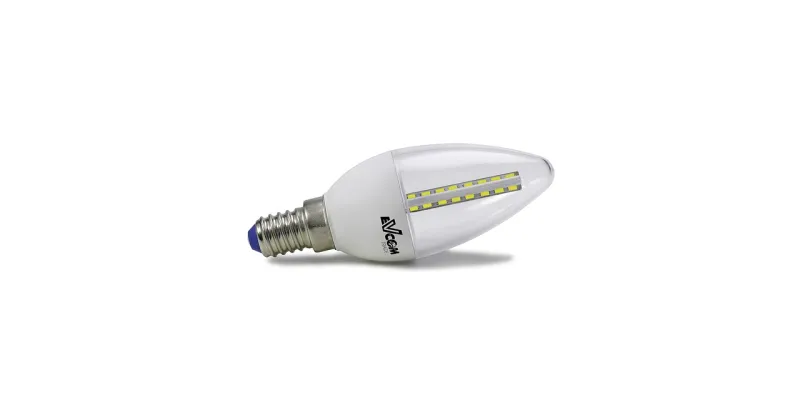
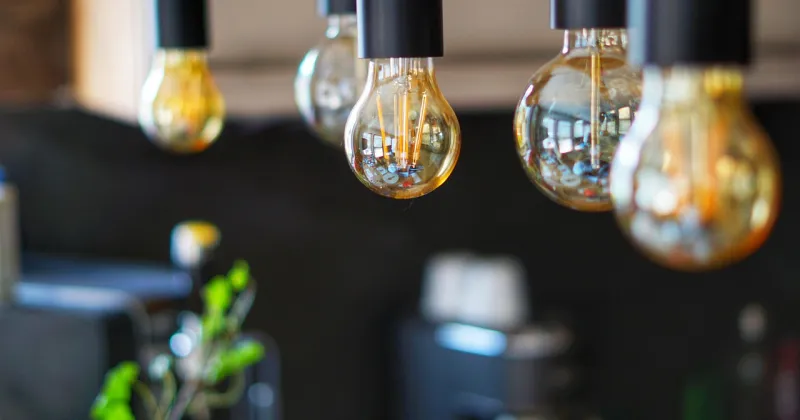
Black Pendant Lights: How to Use Them in Any Style

Brass Lighting: Pendants and Floor Lamps, Finishes and Care

Linear Pendant Lights: Sizing, Height and Where to Use Them
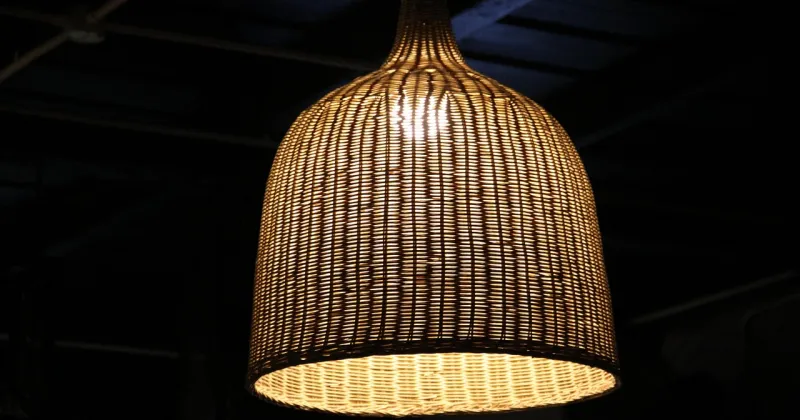
Rattan Pendant Lights: Style, Sizing and Care

Outdoor Lighting Ideas for Gardens, Patios and Backyards
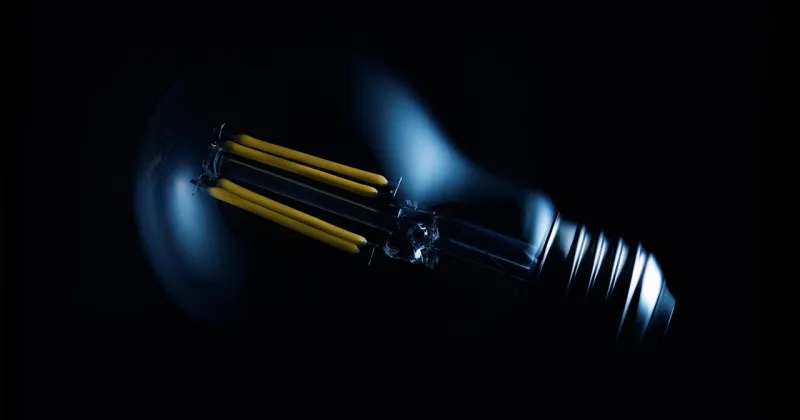
LED Light Bulbs: How to Choose the Right Globe
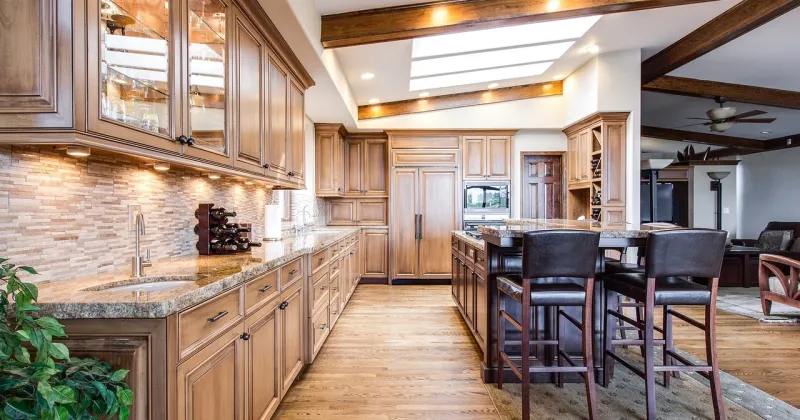
Kitchen Lighting Ideas: How to Layer Light in Your Kitchen
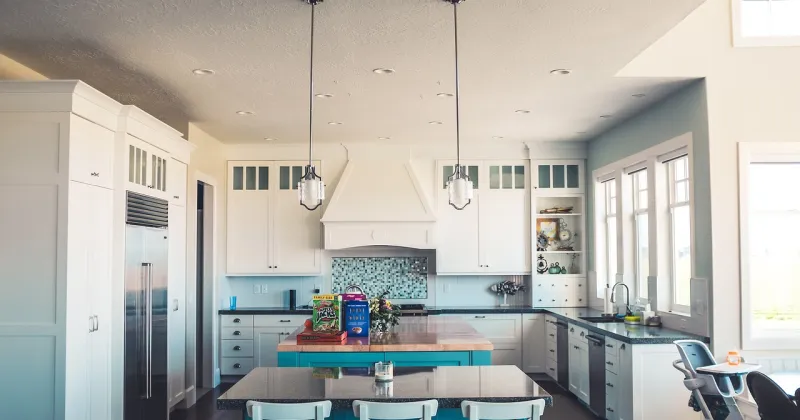
Kitchen Island Lighting: How Many Pendants, How Far Apart, How High
Rules of thumb
- Over a dining table
- Bottom of the pendant about 75–85 cm above the tabletop.
- Over a kitchen bench
- About 75–90 cm above the benchtop, spaced so the shades do not crowd each other.
- Where people walk
- Keep at least 2.1 m clear under a fitting in a hallway or open floor.
- Pendant width
- Roughly half to two-thirds of the table width reads well over a dining table.
- Warm or cool
- 2700 K is warm white for living spaces; 4000 K suits task areas like a laundry.
- Old watts to lumens
- A 60 W incandescent gave about 800 lumens; look for that figure on an LED box.
Starting points, not laws. Ceiling height, the size of the fitting and how you use the room all matter, and the guides explain when to bend them.
Good lighting starts with a plan, not a fitting
Most rooms are lit by habit: one fitting in the middle of the ceiling, whatever globe was in the cupboard, and a lamp added later when a corner felt gloomy. The rooms people admire after dark are usually lit the other way round. Someone worked out what happens in each part of the room, then chose light for each job: a soft general glow, a brighter pool where work is done, and a little accent to give walls and objects some depth.
The Light Edit is written for people who are renovating, building or simply replacing a tired fitting, and who would like to get it right without hiring a designer for every decision. This page is the short tour. If you are starting with a whole house, read how to plan the lighting for a whole house first; if you have one problem to solve, skip to the part below that matches it.
Pendant lights: size, height and spacing
A pendant is the fitting everyone notices, which makes it the easiest one to get wrong. Too small and it looks lost over a table. Too low and it blocks the view across it. Too high and it lights the ceiling instead of the surface underneath. Our complete guide to choosing a pendant light covers shade shapes, how wide to go and when one large fitting beats a row of small ones. The question that comes up most has a page of its own: how high to hang a pendant over a table, a bench or open floor.
Long tables and island benches often suit a single bar of light better than a cluster, and linear pendant lights explains how to size one. If colour is the sticking point, black pendant lights shows how a dark shade sits in pale and moody rooms alike. Renters, and anyone without a ceiling point where they need it, should look at plug-in pendants, which hang from a hook and run from an ordinary power point.
The globe matters as much as the shade
A handsome fitting with the wrong globe gives a harsh, flat or dingy room. Three things printed on the box decide the result. The base has to match the lamp holder, and E27 vs B22 sorts out the screw and bayonet caps you will meet in most fittings. Brightness is stated in lumens, not watts, so lumens explained helps you judge how much is enough. The colour of the light, from warm to cool, is measured in kelvin, and our colour temperature chart sets it out room by room.
For an all-round buying guide, start with how to choose an LED globe. Small capsule lamps have quirks of their own, covered in G9 LED bulbs. Whatever you buy, keep the colour of the light consistent within one room: a single cool globe among warm ones is enough to make a space feel slightly off.
Brass, rattan, glass and stone
What a shade is made of changes the light as well as the look. A solid metal shade throws light down in a defined pool, while woven and translucent materials let it spill sideways and soften the whole room. Materials also age differently, and it is worth knowing how before you buy. Brass lighting explains the common finishes and how to care for them. Rattan pendant lights covers sizing, upkeep and the kind of room a natural fibre shade belongs in.
Glass deserves a careful choice because the globe inside is on show. Glass pendant lights compares clear, opal, ribbed and smoked glass and the different light each gives.
Lighting each room for what happens in it
Every room asks for a different balance. A kitchen needs strong, even light on the benches and something gentler for the evening, which is the subject of layering light in a kitchen. If you have an island, kitchen island lighting answers the three usual questions: how many pendants, how far apart and how high. Over the table, dining room lighting is about a low, warm pool that is kind to faces and food.
Living spaces and bedrooms do best with several small sources in place of one bright one. See lounge room lighting ideas and bedroom lighting ideas for ways to build that up with lamps and wall lights. Wet areas bring their own limits on where a fitting can go and how well sealed it must be, explained in bathroom lighting ideas.
Gardens, decks and front doors
Outdoors, a little light goes a long way. The aim is to see the path, the step and the lock, and perhaps to pick out a tree or a textured wall. It is not to flood the yard. Outdoor lighting ideas for gardens, patios and backyards is the place to begin. The practical side, including the choice between solar, low-voltage and mains-powered fittings and what an IP rating tells you, is in the outdoor lighting guide.
How these guides are made, and where the electrician comes in
The Light Edit sells nothing. There is no shop, no sponsored post and no affiliate link, so a product type is mentioned only when it helps explain a point. Details about bases, light output and colour come from manufacturers' specifications, standards bodies and government energy-rating information. Hanging heights and spacings are the working rules lighting designers use; we label them as such and say when to bend them. Our editorial standards describe the process, and corrections sent through the contact page are fixed and dated on the article.
One limit is worth stating plainly. In Australia, installing or moving a fixed light fitting is a job for a licensed electrician. Use these guides to decide what you want and where you want it, then hand the wiring to a professional. This site is also a new project, unconnected to the design studio that once used this address; the about page has the details.
Sections
- Pendant LightsChoosing, sizing, hanging and grouping pendant lights over tables, benches and stairs.
- Light BulbsBases, lumens, colour temperature, filament and LED bulbs: what to buy for which fitting.
- MaterialsBrass, leather, concrete, timber and glass: how they look, age and need caring for.
- Room by RoomLayered lighting for kitchens, dining rooms, living rooms, bedrooms, bathrooms and studies.
- Design NotesIdeas, history and the thinking behind good lighting and object design.